
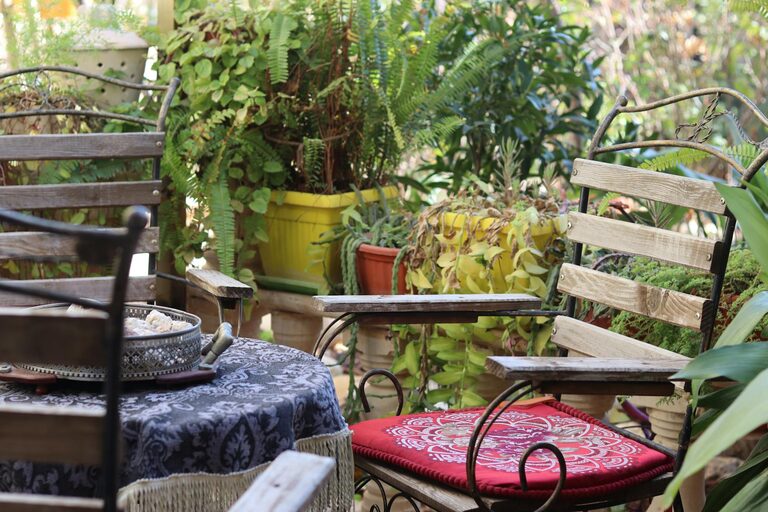
Creating a relaxing garden space at home is an excellent way to enjoy fresh air, connect with nature, and find a quiet retreat from the busy pace of everyday life. Whether you have a large backyard or a small balcony, cultivating a peaceful garden area can offer numerous benefits for your well-being. This guide will walk you through practical tips to design and maintain a calm, inviting outdoor space that suits your needs.
Choose a Quiet Location
The first step in creating a relaxing garden space is selecting the right spot. Ideally, pick an area away from busy streets, neighbours, or noisy appliances like air conditioners. A cosy corner with some shade from trees or a pergola can help create a sense of enclosure and privacy. If you have limited space, even a balcony or windowsill can be transformed into a tranquil garden nook.
Incorporate Comfortable Seating
Comfortable seating is essential for enjoying your garden. Consider options like cushioned benches, hammocks, or lounge chairs where you can sit back and relax. Choose weather-resistant materials that withstand the elements and add soft cushions or throws for extra comfort. Position seating so that you have pleasant views, perhaps overlooking colourful plants or a water feature.
Add Greenery and Colour
Plants are the heart of any garden. Use a mix of greenery, flowering plants, and shrubs to bring texture and colour to your space. Evergreen plants can provide structure year-round, while seasonal flowers add vibrancy and variety. Consider fragrant plants like lavender, jasmine, or rosemary to engage your sense of smell, which is very calming.
Tips for Plant Selection:
– Choose native plants suited to your climate, as they will be easier to care for.
– Include low-maintenance varieties if you prefer minimal upkeep.
– Add climbing plants or vertical gardens to save space and create natural screens.
– Use pots and containers to allow flexibility, especially in small gardens.
Create a Soundscape
Natural sounds can greatly enhance relaxation. If your garden is noisy, consider ways to mask unwanted sounds. Water features such as small fountains or ponds create soothing noises that drown out background disturbances. Wind chimes or rustling grasses add gentle music. Alternatively, playing soft outdoor music can help set a calm atmosphere.
Incorporate Natural Materials
Using natural materials in garden furniture, pathways, and decorations ties the space to the surrounding environment. Choose wood, stone, or bamboo elements to add warmth and texture. Gravel or wood chips for paths can make uneven surfaces safer and more inviting to walk on barefoot.
Use Lighting for Ambience
Thoughtfully placed lighting extends the usability of your garden into the evenings and enhances the atmosphere. Solar-powered lanterns, fairy lights draped over bushes, or subtle spotlights on plants can create a magical effect without being too bright. Avoid harsh, glaring lights that disrupt the sense of calm.
Maintain Your Garden Regularly
A well-maintained garden feels more welcoming and less stressful. Set aside some time weekly or monthly to prune plants, water appropriately, and clear debris. Keeping pathways unobstructed ensures safe movement, while tidying up promotes a serene environment.
Personalise Your Space
Add accessories that reflect your personality and enhance comfort. Cushions, outdoor rugs, or a small side table for tea can make your garden feel like an extension of your home. Consider bird feeders or insect hotels to attract wildlife, which can be both interesting and relaxing to watch.
Incorporate Meditation or Yoga Areas
If space allows, designate a small corner with a mat or cushions for meditation or yoga practice. This reinforces the garden’s role as a retreat for mental and physical relaxation. Surround this area with soft plants and gentle sounds for an ideal setting.
Plan for All Seasons
Choose plants and features that provide interest throughout the year. Evergreen shrubs ensure greenery in winter, while winter-flowering plants like hellebores can brighten colder months. Consider shelter like an awning or gazebo to enjoy the garden even during light rain or intense sun.
—
Creating a relaxing garden space at home is about balancing nature, comfort, and personal touches. With these tips, you can design a peaceful haven that invites you to pause, unwind, and enjoy the simple pleasures of the outdoors. Take your time, observe what makes you feel calm, and let your garden evolve with your needs. Happy gardening!