Creating a cosy and inviting home office isn’t just about aesthetics—it’s about designing a space where you feel comfortable, motivated, and focused. Whether you work from home full-time or just need a dedicated spot to pay bills and manage projects, a well-planned office can make all the difference. In this post, we’ll explore practical tips to help you create a home office that feels both welcoming and efficient.
1. Choose the Right Location
Selecting the perfect spot for your home office is the first step in setting up a comfortable workspace.
Consider natural light
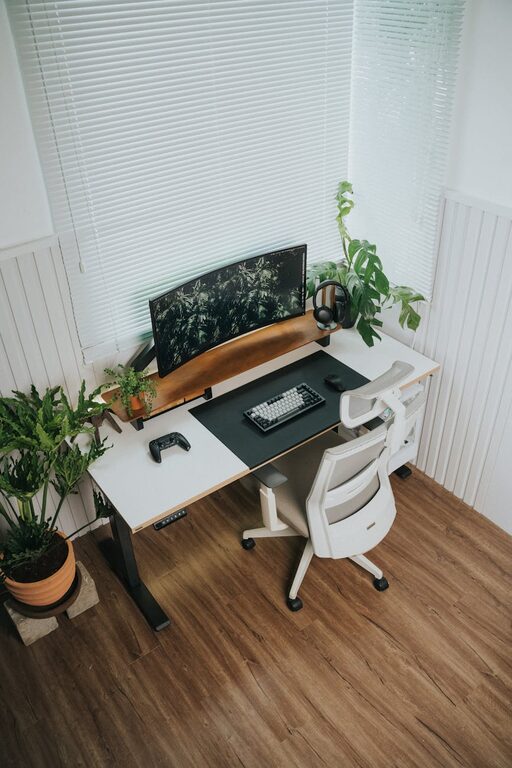
If possible, position your desk near a window. Natural light boosts mood and energy levels, making your workday more pleasant. Avoid placing your monitor directly against the window to minimise glare.
Minimise distractions
Choose a quiet corner away from busy household areas. This helps reduce interruptions and creates a more peaceful environment for focus.
2. Invest in Comfortable and Functional Furniture
A cosy home office starts with furniture that supports both comfort and productivity.
Ergonomic chair
A good office chair with adjustable height and lumbar support protects your back during long working hours. Comfort here is crucial to avoid strain.
Suitable desk
Pick a desk that fits your space and work style. If you often write by hand, a larger surface might be helpful. Standing desks or adjustable desks can promote better posture.
Storage solutions
Keep your office tidy with shelves, drawers, or filing cabinets. Clutter can create stress and reduce productivity, so make sure everything has a place.
3. Use Colours and Textures to Create Warmth
Colours and textures influence the atmosphere of your workspace.
Choose soothing colours
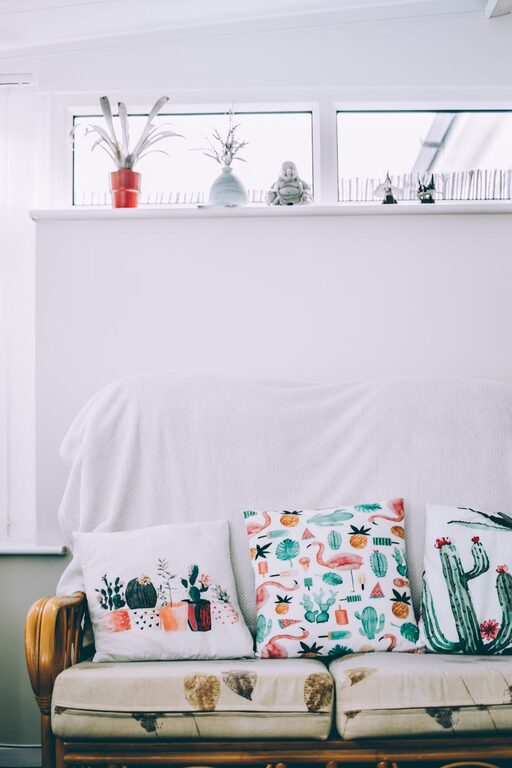
Soft, neutral shades such as pale greys, creams, or muted blues promote calmness. You can add splashes of colour with accessories like cushions, rugs, or artwork to keep the space lively.
Layer textures
Incorporate cosy textures like knitted throws, cushions, or a plush rug. These add warmth and comfort, making the room inviting and tactile.
4. Lighting Matters
Good lighting enhances your ability to work and affects the overall feel of the room.
Combine natural and artificial lighting
Use a combination of daylight and adjustable lamps. A desk lamp with warm light offers focused illumination without harsh shadows.
Avoid glare and eye strain
Position your lighting to reduce glare on screens, and adjust brightness depending on the time of day to protect your eyes.
5. Personalise Your Workspace
Adding personal touches helps make your office uniquely yours.
Display meaningful items
Include a few favourite photos, plants, or inspirational quotes. These small elements can motivate you and create a sense of belonging.
Incorporate greenery
Houseplants not only beautify your space but can also improve air quality and reduce stress.
6. Keep Technology Organised
An uncluttered tech setup promotes efficiency and a calming atmosphere.
Cable management
Use clips, sleeves or boxes to keep cables neat and out of sight.
Quality equipment
Invest in good quality peripherals like a keyboard, mouse, and headphones to work comfortably.
7. Create Zones for Different Tasks
If space allows, design different areas within your office for various activities.
Work zone
A primary desk area for focused tasks.
Relaxation nook
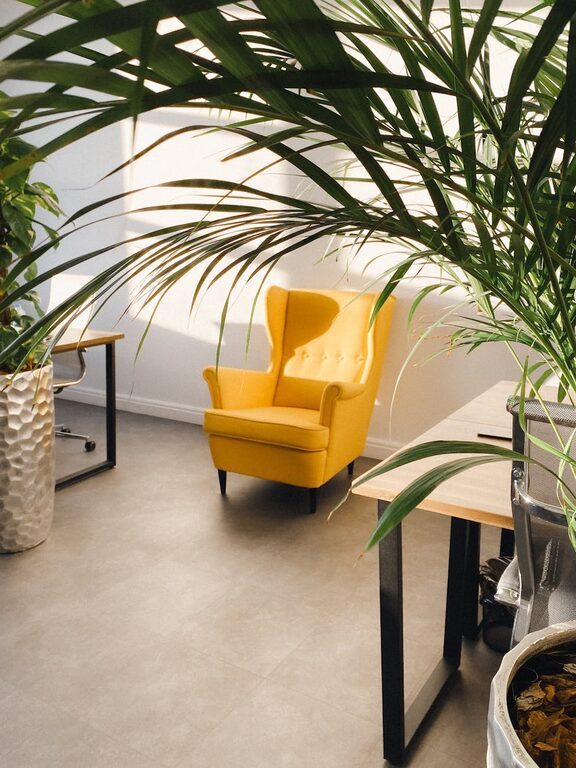
A small corner with a comfy chair for reading or taking breaks.
Storage zone
A designated place for files and supplies.
This zoning helps separate different work modes and adds structure to your day.
8. Maintain Cleanliness and Organisation
Regular tidying keeps your home office inviting and helps maintain a productive mindset.
Daily declutter
Spend a few minutes each day organising your desk.
Use organisers
Keep stationery and documents sorted with trays, pen pots, or drawer dividers.
—
Creating a cosy and inviting home office is about blending comfort and functionality. By paying attention to location, furniture, colours, lighting, and personal details, you can transform your workspace into a place where you enjoy spending time and can work effectively. Taking time to design your ideal environment pays off in concentration, creativity, and overall wellbeing.