
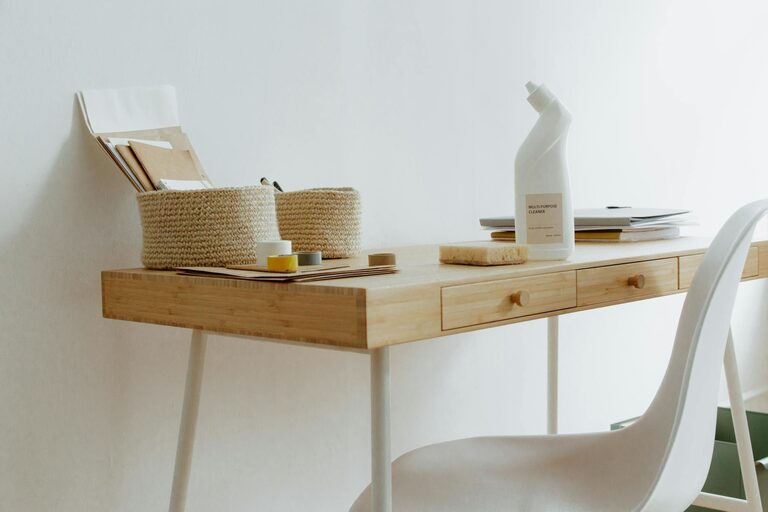
Creating a peaceful and efficient home office is essential for staying focused and productive, especially when your work and home life share the same space. A cluttered office can cause distractions, stress, and even reduce the quality of your work. Fortunately, organising your workspace doesn’t have to be complicated. With a few simple adjustments, you can maintain a clutter-free home office that inspires creativity and helps you get things done.
Why a Clutter-Free Home Office Matters
A tidy environment helps clear your mind, making it easier to concentrate on tasks. When everything has its place, you waste less time searching for supplies or documents, which boosts efficiency. Moreover, a well-organised office is visually calming and can positively affect your mood, reducing feelings of overwhelm.
Start with a Clear-Out
Before you begin organising, take some time to declutter your workspace.
– Sort through paperwork: Go through all your files, bills, and notes. Recycle or shred anything that’s no longer needed. Use a filing system for essential documents.
– Clear your desk surface: Remove everything from your desk and only put back what you use daily.
– Declutter digital devices: Clean up your computer desktop and organise files into clearly labelled folders.
Choose the Right Furniture and Layout
Your furniture and the way you arrange your office can make a big difference.
– Compact desks with storage: Choose desks that have built-in drawers to keep stationery and documents hidden yet within reach.
– Ergonomic chair: A comfortable chair supports good posture, reducing strain during long work hours.
– Optimise natural light: Place your desk near windows if possible. Natural light lifts your mood and prevents eye strain.
– Keep frequently used items close: Arrange essentials so you don’t have to get up constantly.
Use Organisers and Storage Solutions
Investing in smart storage options helps manage clutter effectively.
Desk Organisers
Desk organisers come in various forms—trays, pen holders, and small boxes.
– Use trays to separate incoming and outgoing paperwork.
– Sort stationery in labelled compartments.
– Keep cables tidy with clips or sleeves.
Shelving and Cabinets
– Install wall-mounted shelves for books, reference materials, or decorative items.
– Use filing cabinets or portable file boxes for paperwork.
– Clear plastic containers let you see contents without opening.
Drawer Dividers
Divide drawers into sections to avoid mixing random items. This method keeps small objects organised and easy to find.
Implement Daily Habits to Maintain Order
Organising your space is only half the battle. Developing habits to maintain tidiness is just as important.
– End-of-day routine: Spend 5–10 minutes clearing your desk and sorting papers before finishing work.
– Regular purging: Schedule monthly quick declutters to avoid accumulation.
– Keep a “to file” tray: Use this for documents you need to process; empty it regularly.
– Minimal décor: Limit decorative items to avoid cluttering surfaces.
Utilise Digital Tools for Reduced Paper Clutter
Going paperless can significantly reduce physical clutter in your home office.
– Use apps to scan and store documents electronically.
– Keep digital to-do lists and calendars instead of paper planners.
– Backup important files to cloud storage to avoid bulky binders.
Designate Zones and Keep Personal Items Separate
Creating distinct areas within your workspace helps maintain clarity.
– Design a specific zone for computer work, paperwork, and meetings.
– Avoid mixing personal items with work materials.
– Store personal belongings elsewhere to keep the office professional and tidy.
Personalise Without Overdoing It
A few personal touches can make your home office inviting without causing clutter.
– Add plants to bring freshness and reduce stress.
– Use photos or motivational quotes for encouragement.
– Choose simple and cohesive accessories that match your room’s colour scheme.
Troubleshoot Common Organising Challenges
Even with good intentions, some hurdles can arise.
– Limited space: Use vertical storage like shelves and pegboards.
– Multiple uses: If your office doubles as another room, consider furniture that folds away or has multifunctional uses.
– Family distractions: Set boundaries by closing doors or using “do not disturb” signs while working.
Final Thoughts
Organising a clutter-free home office takes a bit of time and strategy, but the rewards are well worth the effort. By clearing out unnecessary items, choosing smart storage, creating routines, and personalising your space thoughtfully, you’ll enjoy a clean, welcoming environment that supports your productivity and wellbeing. Start small, stay consistent, and watch your home office transform into a haven of efficiency and calm.