
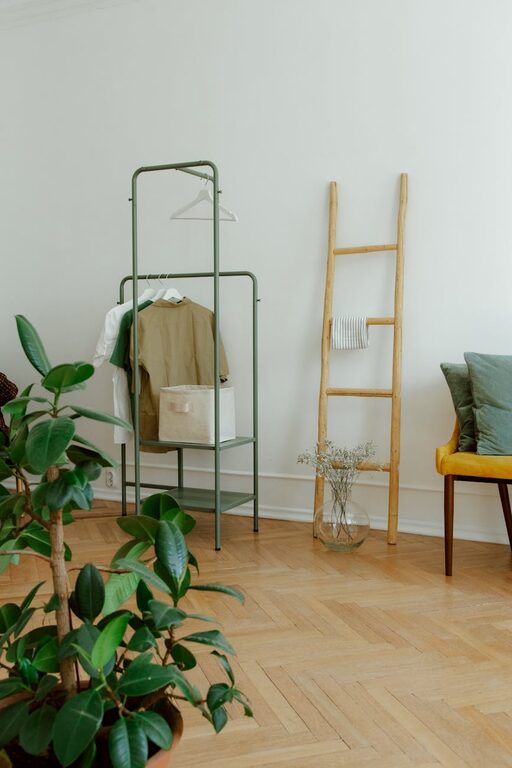
Creating a peaceful home environment can have a positive impact on your well-being. A cluttered or chaotic space often contributes to stress and anxiety, while an organised home promotes calm and comfort. If you’re looking to bring more peace into your living space, here are some simple but effective ways to organise your home.
Why Organise Your Home?
Before diving into practical tips, it’s helpful to understand why organisation matters. A well-organised home:
– Reduces stress by eliminating clutter.
– Saves time by making it easier to find items.
– Creates a welcoming atmosphere for you and your guests.
– Encourages better habits and a sense of accomplishment.
Now, let’s explore some approachable ways to organise your living space without feeling overwhelmed.
1. Start with Decluttering
One of the first steps to organising is to declutter. This means sorting through your belongings and deciding what to keep, donate, or recycle.
Tips for Effective Decluttering
– Take it one room at a time. Focus on one space so the task feels manageable.
– Use the four-box method: label boxes as Keep, Donate, Sell, and Trash.
– Be honest: if you haven’t used something in the last year, consider letting it go.
– Avoid impulse decisions: if you’re unsure, put items in a ‘maybe’ box and revisit them after a few weeks.
Decluttering clears space and helps you better organise what remains.
2. Create Designated Storage Spaces
Every item should have a home. Assigning designated spots means things are less likely to get misplaced and clutter won’t build up.
Ideas for Smart Storage
– Use baskets or boxes to group similar items.
– Label containers to find contents quickly.
– Consider under-bed storage for seasonal clothes or accessories.
– Install shelves or hooks to maximise vertical space.
– Use drawer organisers to separate smaller items like stationery or kitchen utensils.
If you live in a smaller space, multi-functional furniture such as ottomans with storage inside can keep belongings out of sight.
3. Maintain Clear Surfaces
Clear surfaces instantly make a home feel tidier. Counters, tables, and desks can easily become dumping grounds for mail, keys, or miscellaneous objects.
How to Keep Surfaces Organised
– Limit what you keep on surfaces to essentials.
– Use trays or decorative boxes to contain loose items.
– Establish a daily routine to clear and reset surfaces.
– Store mail and paperwork in designated folders or racks rather than piling it up.
A clean surface can create a sense of calm and order in any room.
4. Make Use of Labels
Labeling isn’t just practical — it’s also a visual reminder that keeps you on track.
Where to Label
– Kitchen cabinets and drawers
– Storage boxes and baskets
– Files and document folders
– Toy bins or craft supplies
You can use simple printed labels, chalkboard stickers, or handwritten tags depending on your style.
5. Optimise Wardrobe Organisation
A tidy wardrobe saves you time getting dressed and prevents clutter from spilling into your room.
Wardrobe Organisation Tips
– Sort clothes by type and colour.
– Use slimline or uniform hangers for a neat look.
– Store out-of-season clothing in labelled boxes or vacuum bags.
– Keep accessories like scarves or belts on hooks or in small trays.
– Take one item out for every new item brought in to avoid overcrowding.
6. Establish Daily Habits
Organisation isn’t just a one-time task; daily habits help maintain order in the long run.
Simple Habits to Adopt
– Make your bed every morning.
– Spend 5-10 minutes tidying up before bed.
– Put things back immediately after use.
– Regularly sort through the mail and paper clutter.
– Plan weekly decluttering sessions for trouble spots.
Building these routines makes it easier to keep your space calm and organised effortlessly.
7. Designate Zones for Activities
Creating specific zones helps keep activities and items contained to certain areas.
For example:
– A reading nook with books and a comfortable chair.
– A dedicated workspace with office supplies and files.
– A drop zone near the door for coats, bags, and shoes.
Zoning improves flow and prevents clutter from moving between rooms.
8. Bring in Calming Elements
Once your home is organised, add touches that create a peaceful atmosphere.
– Incorporate plants which bring freshness and improve air quality.
– Choose soft, neutral colours for walls and décor.
– Use storage furniture that complements your style to avoid visual clutter.
– Limit excessive decorations or knick-knacks.
– Soft lighting with lamps and candles can enhance a sense of calm.
In Summary
A peaceful home starts with simple, intentional organisation. By decluttering, creating designated spaces, maintaining daily habits, and introducing calming elements, you can transform your living space into a relaxing sanctuary. Remember, organisation is a journey — take it one step at a time and enjoy the benefits of a peaceful home.
—
Creating an organised home doesn’t have to be complicated or expensive. Even small changes can make a big difference to your everyday peace and happiness. Why not begin today?